
.svg)

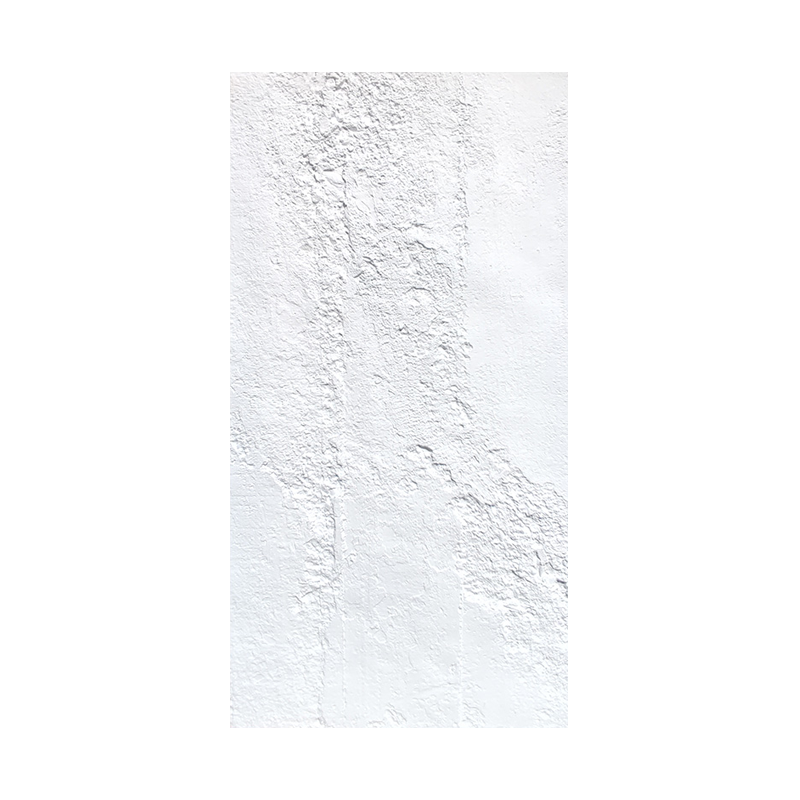
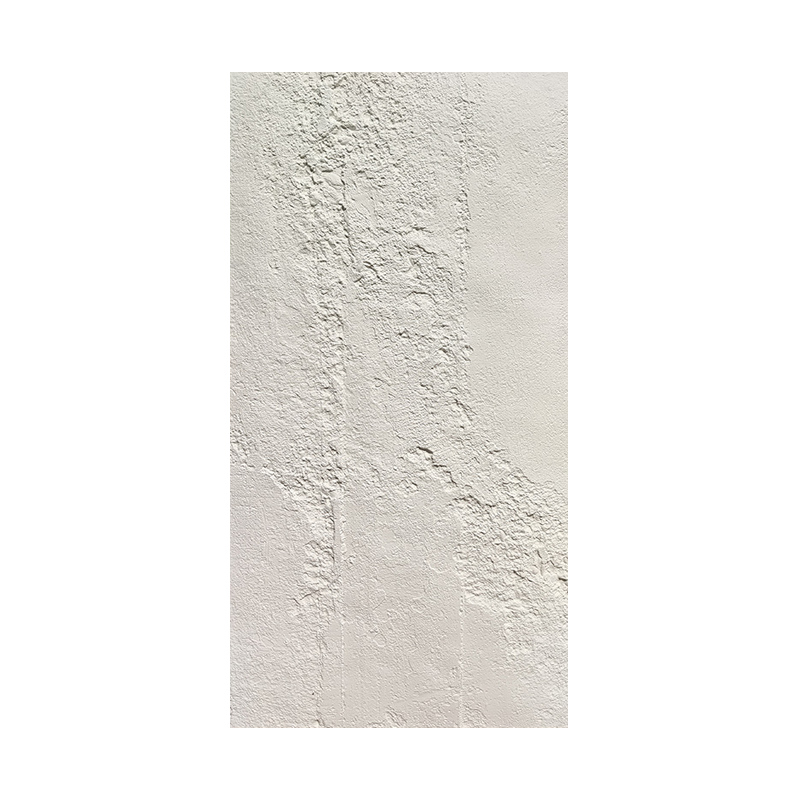
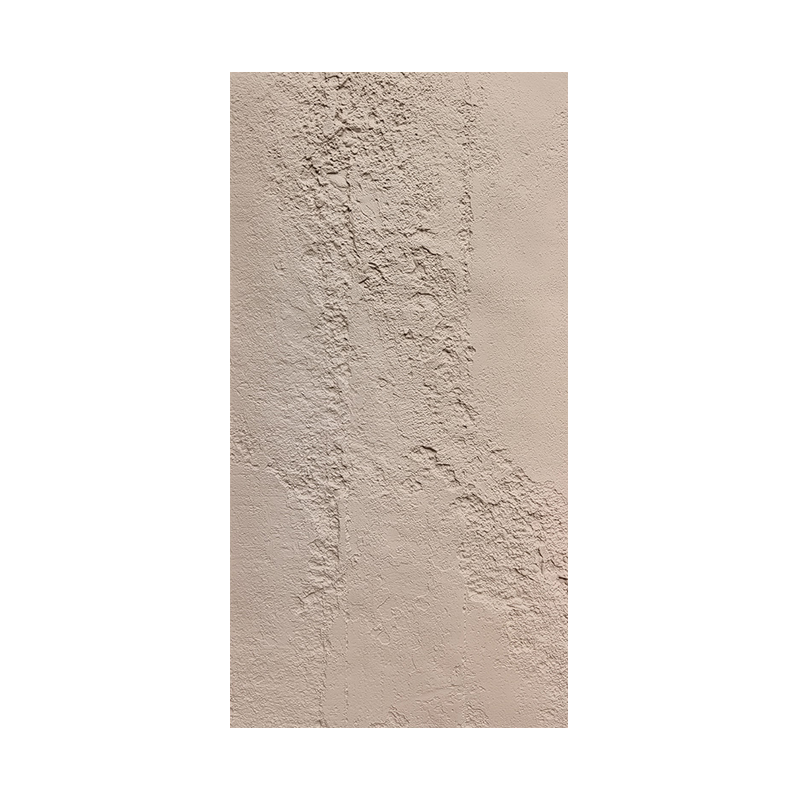
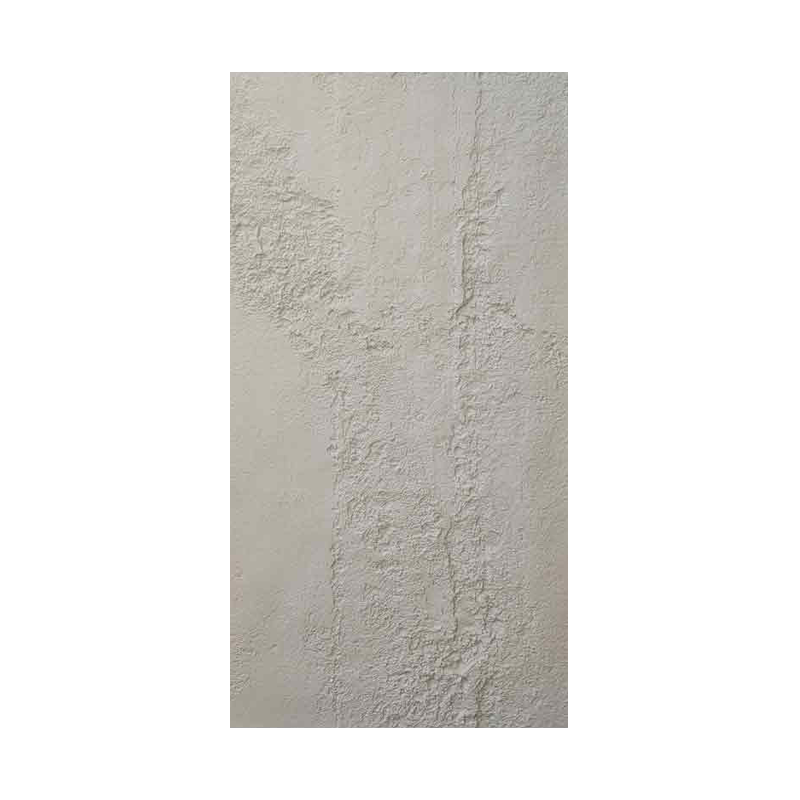
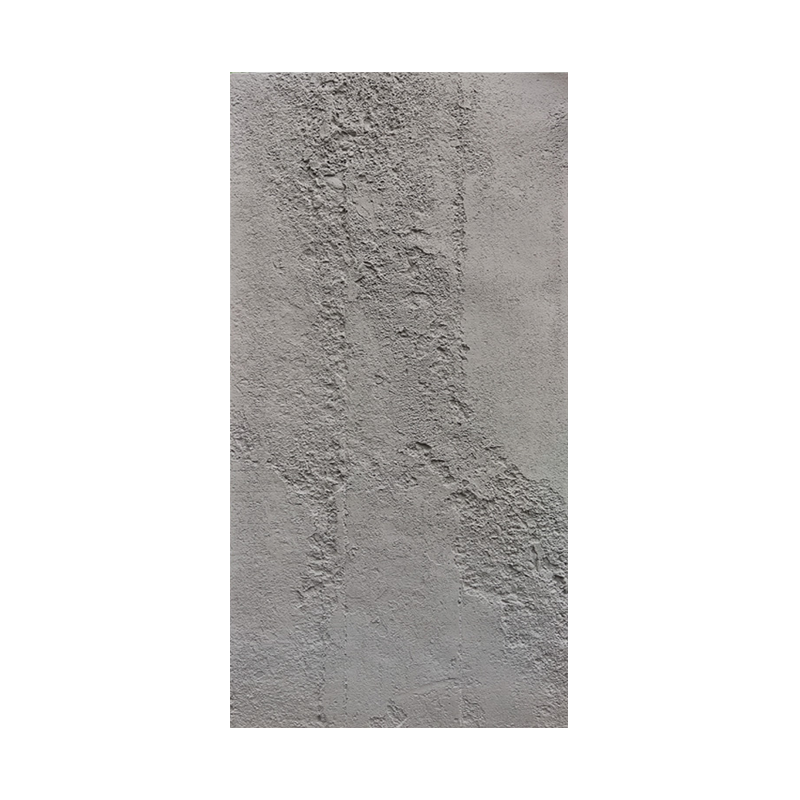
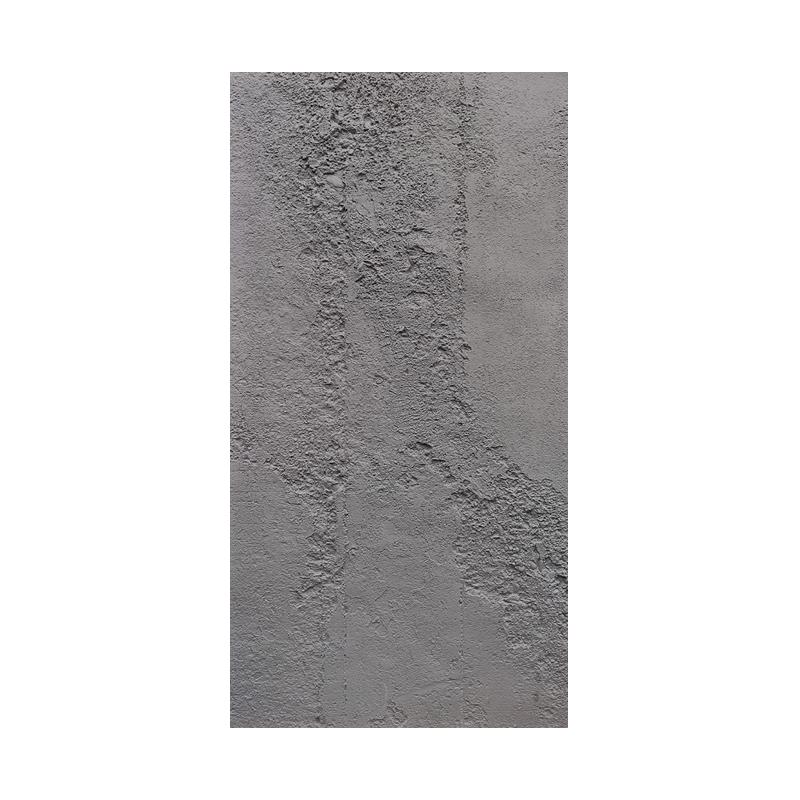
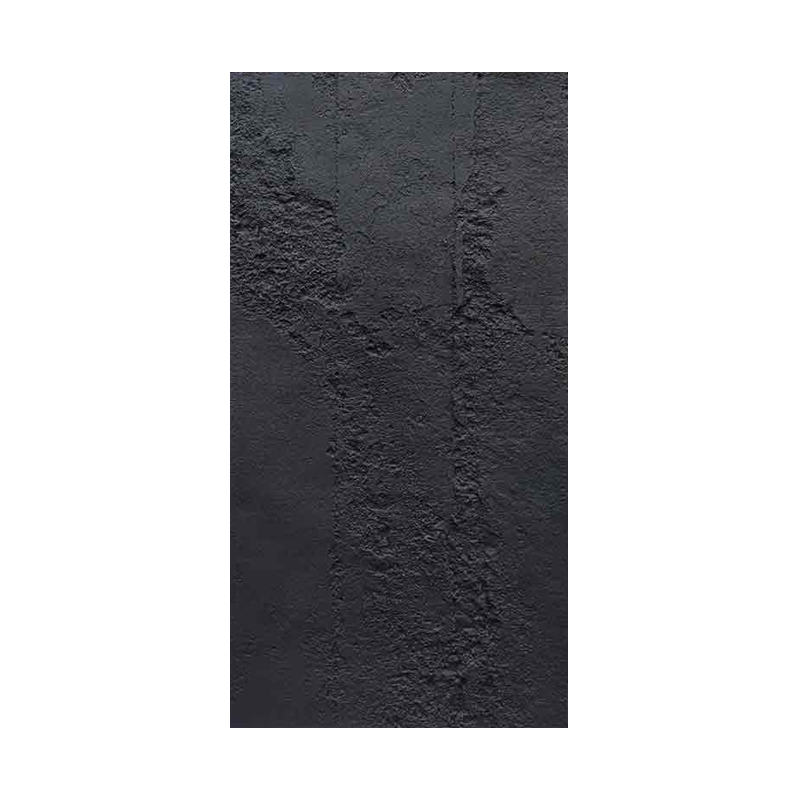
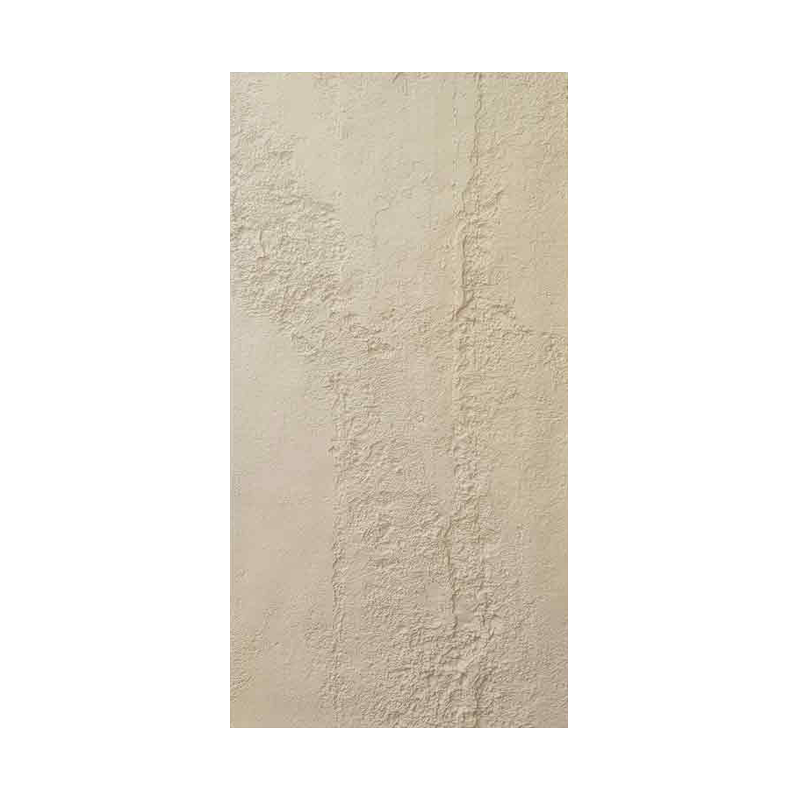
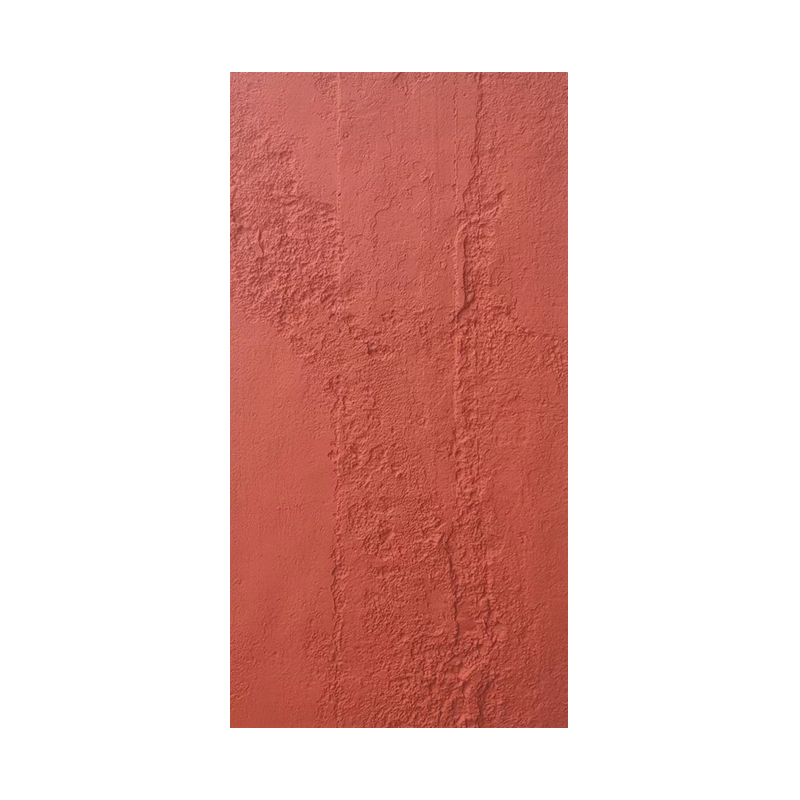
L3-3 Cement Board
Polyurethane Artificial Stone Panels (PU Stone)
Where Advanced Chemistry Meets Architectural Brilliance
Material Science Breakthrough
Developed in 1937 by Dr. Otto Bayer, polyurethane (PU) is a polymer synthesized from organic diisocyanates and polyols.
Our PU Stone leverages this Nobel-caliber innovation to create a revolutionary lightweight alternative to natural stone, weighing only 1.4kg/panel – 80% lighter than traditional materials.
Key Technical Advantages
-
Molecular Stability: Cross-linked polyurethane structure resists chemical reactions (-40°C to +120°C operational range). -
B2 Fire Rating: Certified non-combustible (GB 8624-2012 standard). -
Anti-Biological: Inherent resistance to termites, mold, and bacterial growth. -
Zero Maintenance: UV-resistant surface retains color fidelity for 15+ years outdoors.
Installation Advantages
-
Single-Person Fit: Pre-drilled slots + interlocking edges. -
Zero Waste: 98% material utilization rate. -
Tool Compatibility: Compatible with woodworking tools (no specialty equipment).
Health & Safety
-
Indoor Air Safe: Passes GREENGUARD Gold for low emissions. -
Mold & Pest Resistance: Naturally repels termites and bacteria.
Applications
-
Healthcare: Hospital walls with antimicrobial coatings. -
Education: Vibrant, impact-resistant school corridor panels. -
Residential: Moisture-proof bathroom "marble" at 1/3 the cost.
Production process:
-
Injection of raw materials into the mold
In this step, the pre-prepared raw materials in liquid or semi-liquid form are injected into a specially designed mold. Ensure that the injection speed and pressure are appropriate so that the material can evenly fill every corner of the mold.
-
Curing and Shaping
The raw materials injected into the mold are cured under appropriate temperature and time conditions. This process may require heating, cooling, or other chemical reactions to be completed so that the material can achieve the desired hardness and shape.
-
Remove the mold
After the material has completely cured, carefully disassemble the mold and remove the finished product. This process requires careful operation to prevent damage to the product or the mold during removal.
-
Edge Trimming
Use specialized tools to trim the edges of the finished product, removing any excess material or irregular corners to ensure the product's appearance is complete and aesthetically pleasing.
-
Deburring
Deburring is carried out on the surface of the finished product to remove burrs. This is typically done through manual polishing or mechanical grinding to ensure the surface is smooth and safe, and to meet the predetermined quality standards.
-
Spraying
According to the design requirements of the product, its surface is treated with spraying. The spraying materials can be protective coatings, colorants or other functional coatings to ensure that the appearance of the product meets the design standards and has additional protective performance.
-
Packaging
After the final inspection, the finished products are packaged in accordance with packaging standards. This step may involve placing cushioning materials, sealing the boxes and attaching labels to ensure that the products are not damaged during transportation and storage.
Sustainability Promise
For every 100㎡ sold, we plant 10 native trees.
Order Process
-
Consultation → 2. 3D Design → 3. Sample Approval → 4. Bulk Production (15–25 days) → 5. Global Shipping.
Transform Spaces with PU Innovation – Schedule a Design Consultation Now!
- Previous: corbels farm style EC-3401
- Next:


