
.svg)

Introduction to faux wall rock
In the realm of contemporary design and architecture, faux wall rock has emerged as a versatile and cost-effective solution for homeowners and builders alike. Faux wall rock, often referred to as faux stone veneer or manufactured stone, is a man-made product designed to mimic the appearance of natural stone. Unlike natural stone, faux wall rock is lighter, more affordable, and easier to work with, making it an attractive option for a wide range of construction and renovation projects. But what exactly distinguishes faux wall rock from its natural counterpart, and why is it gaining popularity among architects and designers worldwide?
Faux wall rock is typically created using a blend of cement, aggregates, and iron oxide pigments, which collectively achieve a realistic stone appearance. The manufacturing process involves molding the mixture into a variety of shapes and textures, resembling the intricacies found in natural stone. As a result, faux wall rock provides the aesthetic appeal of natural stone without the hefty price tag and installation challenges.
Materials Used in Faux Wall Rock
The creation of faux wall rock involves the use of several key materials, the most common being polyurethane and plaster. Polyurethane is renowned for its lightweight yet durable properties, making it an ideal choice for faux wall rock production. The material is resistant to weathering, ensuring that the faux wall rock maintains its aesthetic integrity over time. On the other hand, plaster offers a more traditional approach, often utilized in interior applications for its versatility and smooth finish.
Environmental sustainability is another significant advantage of faux wall rock materials. Unlike natural stone mining, which can have environmental repercussions, faux wall rock is manufactured with minimal ecological impact. The use of recycled materials and eco-friendly production techniques further enhances its appeal, aligning with the growing demand for sustainable building practices.
Advantages of Faux Wall Rock
One of the most compelling reasons to choose faux wall rock over natural stone is cost-effectiveness. Natural stone can be expensive to purchase and even more costly to install due to its weight and labor-intensive handling. Faux wall rock, however, provides a budget-friendly alternative without compromising on appearance. The manufacturing process allows for mass production, reducing costs while maintaining quality.
Additionally, faux wall rock is lightweight, making it exceptionally easy to transport and install. This characteristic not only reduces labor costs but also allows for greater flexibility in design and application. Homeowners and builders can enjoy the beauty and elegance of stone without the logistical challenges associated with natural stone installation, making faux wall rock an ideal choice for many projects.
Design Versatility and Aesthetic Appeal
One of the standout features of faux wall rock is its remarkable design versatility. Available in a vast array of styles, colors, and textures, faux wall rock can cater to a wide range of aesthetic preferences. Whether aiming for a rustic, traditional look or a sleek, modern finish, there is a faux wall rock option to suit any design vision.
Manufacturers have mastered the art of mimicking natural rock textures, providing an astonishingly realistic appearance. From the rugged contours of river rock to the refined elegance of slate, faux wall rock can replicate an impressive array of natural stone types. This versatility extends to color as well, with options ranging from earthy neutrals to bold, contemporary hues.
Installation Process of Faux Wall Rock
The installation process of faux wall rock is relatively straightforward compared to natural stone, making it a popular choice for both DIY enthusiasts and professional contractors. To begin, a moisture barrier is typically applied to the underlying surface, followed by a layer of metal lath for added stability. The faux wall rock pieces are then adhered to the surface using a specialized mortar or adhesive, ensuring a secure and lasting bond.
Comparatively, natural stone installation can be more complex, requiring specialized tools and techniques to manage the weight and irregularity of the stones. Faux wall rock simplifies this process, reducing installation time and labor costs while still achieving the desired effect of textured stone walls.
Durability and Maintenance of Faux Wall Rock
Faux wall rock is engineered to withstand the elements, boasting impressive durability that rivals or even surpasses natural stone. The materials used in its production are specifically chosen for their resistance to weather, fading, and physical wear, ensuring a long-lasting solution for exterior applications. In addition to its resilience, faux wall rock requires minimal maintenance, further enhancing its appeal.
Routine cleaning is typically as simple as a gentle wash with water and mild detergent, keeping the faux wall rock looking its best. Unlike natural stone, which can be prone to staining and requires periodic sealing, faux wall rock offers a low-maintenance alternative that remains beautiful over time.
Applications in Residential Spaces
Faux wall rock has found its place in numerous residential applications, enhancing both the exterior and interior of homes. In living rooms, it can serve as an eye-catching focal point, adding texture and visual interest to accent walls or fireplaces. Kitchens can benefit from the rustic charm of faux wall rock, particularly as a backsplash or island facing.
On the exterior, faux wall rock is commonly used to boost curb appeal, creating striking facades or enhancing entryways with a welcoming, natural look. Its lightweight nature allows it to be easily applied to various surfaces, from wood and concrete to metal, making it a versatile choice for home renovations.
Applications in Commercial Settings
The commercial sector has also embraced the aesthetic and practical benefits of faux wall rock. In hospitality environments such as hotels and restaurants, faux wall rock is used to create inviting and memorable spaces. It can add warmth and character to dining areas or create a sense of luxury and sophistication in hotel lobbies.
Retail spaces can utilize faux wall rock to craft distinctive, brand-consistent interiors that engage customers. By incorporating faux wall rock into storefronts or feature walls, businesses can convey a sense of quality and craftsmanship while benefiting from the material's cost-effectiveness and ease of maintenance.
Cost Considerations and Budgeting
When planning a renovation or new construction project, budgeting is a crucial component. Faux wall rock offers significant cost advantages over natural stone, both in terms of material costs and installation expenses. For wholesale faux wall rock purchases, prices can be highly competitive, especially when sourced from OEM faux wall rock suppliers or a faux wall rock factory in regions like China.
Beyond the initial investment, faux wall rock also provides long-term savings. The reduced maintenance requirements and durability of the material mean fewer costs incurred over time, making it a financially sound choice for budget-conscious homeowners and developers.
Future Trends in Faux Wall Rock
As the demand for sustainable and innovative building materials continues to rise, the future of faux wall rock looks promising. Manufacturers are constantly exploring new technologies and techniques to enhance the realism and performance of faux wall rock, expanding its potential applications and appeal.
Innovations in materials, such as eco-friendly composites and advanced molding processes, are leading the way in creating even more realistic and durable faux wall rock options. With its growing popularity and alignment with trends in sustainable building, faux wall rock is set to remain a staple in both residential and commercial design landscapes.
● Conclusion
Faux wall rock offers a compelling alternative to natural stone, combining aesthetic appeal with practical advantages in cost, installation, and maintenance. Whether for residential or commercial use, faux wall rock delivers on both form and function, making it a go-to option for architects, builders, and homeowners alike.
About Punice
Jiangsu XinhuangJia Decoration Materials Co., Ltd., operating under the brand Punice, is based in Suqian City, Jiangsu Province. Specializing in polyurethane building decoration materials, Punice is dedicated to providing eco-friendly and innovative indoor and outdoor decoration solutions globally. With a focus on high-quality products, advanced production technology, and a commitment to customer satisfaction, Punice has established itself as a trusted partner for builders, designers, and dealers around the world.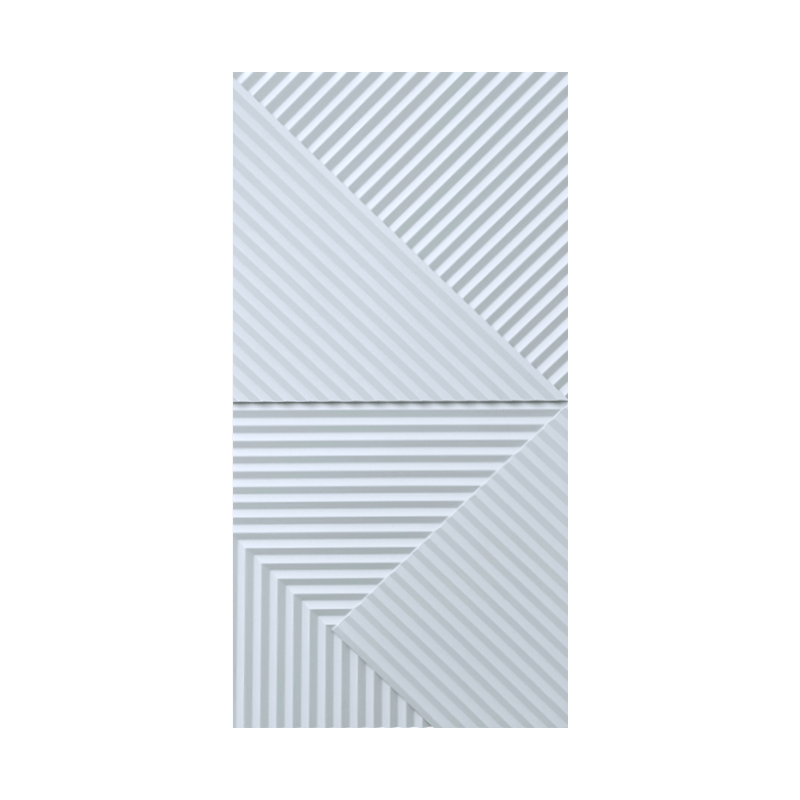
Post time: 2025-05-07 18:55:04


