
.svg)

Introduction to Polyurethane Stone Panels
Polyurethane stone panels are revolutionizing the construction and decoration industries by offering a versatile, lightweight, and durable alternative to traditional stone materials. These panels are meticulously engineered to mimic the appearance and texture of real stone while providing improved practicality and ease of use. Originally developed for industrial applications, polyurethane stone panels have gained wide acceptance in both residential and commercial settings.
Manufacturing Process of Polyurethane Stone Panels
The creation of polyurethane stone panels involves a sophisticated manufacturing process that ensures high quality and realism. The primary raw materials include polyurethane and other composite materials. The manufacturing process starts with creating molds that replicate the desired stone texture and pattern. Polyurethane is then poured and cured within these molds, resulting in panels that perfectly mimic the look of natural stone.
Advantages of Polyurethane Stone Panels
Polyurethane stone panels offer numerous advantages over traditional stone, starting with their lightweight nature, which significantly eases the installation process. This makes them a favorite among builders and designers seeking faster project completion without sacrificing aesthetics. Additionally, these panels are known for their durability and long lifespan, resisting weathering and wear better than some natural stone options.
Applications in Various Industries
Polyurethane stone panels are used across multiple industries due to their versatility and aesthetic appeal. In construction and architecture, they are ideal for both exterior facades and interior decor, providing a luxurious stone look at a fraction of the cost. These panels are also popular in the design of public buildings, retail spaces, and even private residences, often chosen for their aesthetic versatility and ease of customization.
Polyurethane Stone Panels vs. Natural Stone
When comparing polyurethane stone panels to natural stone, several key differences emerge. Cost is a major factor, with polyurethane panels being significantly more affordable while still delivering a high-quality appearance. From an aesthetic standpoint, these panels can replicate a wide variety of stone types and finishes. Maintenance is another area where polyurethane excels, requiring less upkeep and being more resistant to damage than natural stone.
Environmental Impact and Sustainability
The environmental benefits of polyurethane stone panels are increasingly recognized. These panels are designed to be energy-efficient, often produced from recycled materials, contributing to waste reduction. Furthermore, their lightweight nature reduces transportation emissions compared to heavier natural stone. As part of a sustainable building strategy, polyurethane stone panels meet many green building standards, making them an eco-friendly choice in modern construction.
Trends in Polyurethane Stone Panel Design
In today's market, design trends for polyurethane stone panels reflect a demand for both traditional and contemporary styles. Popular textures include rustic stone and sleek, modern finishes. Innovations are continuously emerging, with manufacturers developing panels that offer enhanced realism and new, intriguing patterns. The future of polyurethane stone panels is bright, with advancements in materials science promising even greater design capabilities.
Installation Process and Techniques
Installing polyurethane stone panels requires careful preparation to ensure a flawless finish. The process begins with measuring and planning the panel layout. Given their lightweight nature, these panels are easily cut and installed using basic tools, requiring minimal technical expertise. This simplicity has made polyurethane stone panels a popular choice for DIY enthusiasts and professionals alike.
Challenges and Limitations
While highly beneficial, polyurethane stone panels come with their own set of challenges. One limitation is in design flexibility, as some projects may require the unique qualities of natural stone. Additionally, despite their durability, these panels can be susceptible to damage from extreme conditions. Potential buyers must weigh these factors when considering polyurethane stone panels for their projects.
Conclusion: Future Outlook for Polyurethane Stone Panels
The future of polyurethane stone panels looks promising, with market demand increasing as more industries recognize their benefits. Manufacturers are expected to continue innovating, developing even more realistic and durable products. As a result, polyurethane panels will likely play an integral role in the evolution of modern building materials, catering to a wide range of aesthetic and functional needs.
About Punice:
Jiangsu XinhuangJia Decoration Materials Co., Ltd., located in Suqian City, Jiangsu Province, is a leader in the research and production of polyurethane (PU) building decoration materials. With a focus on high-quality and eco-friendly solutions, Punice offers innovative decoration options for various applications including residential, commercial, and public buildings. Our commitment to quality and customer satisfaction has established us as a trusted partner for builders and designers worldwide. Punice continues to lead with cutting-edge technology, ensuring superior product precision and quality control.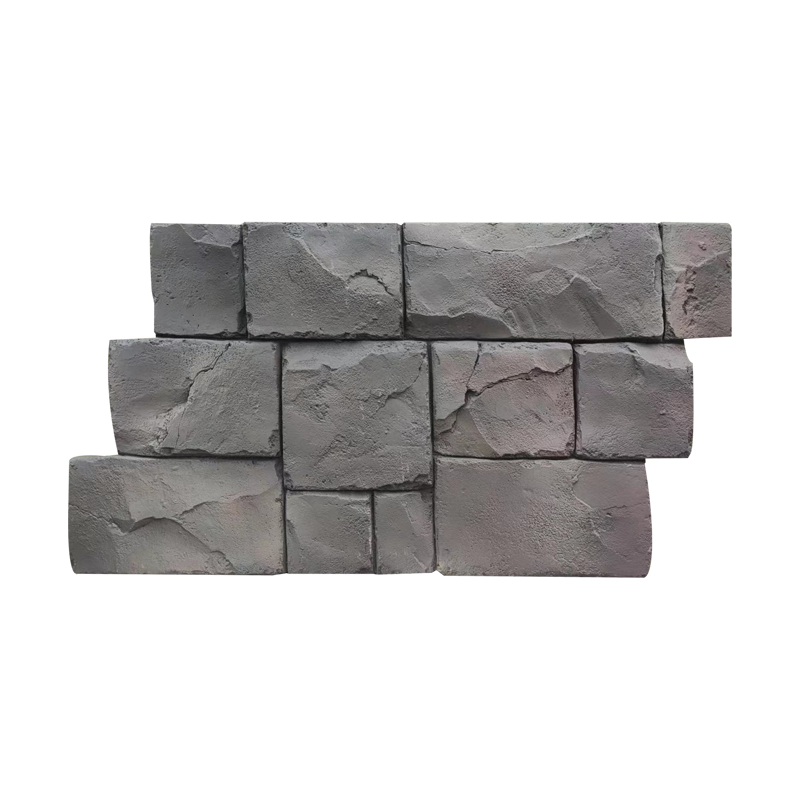
Post time: 2025-05-06 18:12:06


