
.svg)

Introduction to PU Stone
PU stone, a marvel of modern material science, stands as a synthetic alternative to natural stone. Crafted from polyurethane resin and fillers, it effectively mimics the appearance and texture of natural stone. PU stone is distinguished by its high-strength coatings applied to polymer materials, resulting in a product with considerable strength and durability. This innovation not only delivers aesthetic appeal but also offers a cost-effective solution in comparison to traditional stone. As such, PU stone has made significant inroads into interior decoration, providing an economical yet stylish option for homeowners and designers alike. Through this exploration, we will delve deeper into the intricacies of PU stone, its composition, benefits, applications, and market presence, particularly focusing on Wholesale PU stone, OEM PU stone, and the role of China as a leading PU stone manufacturer and supplier.
Manufacturing Process of PU Stone
● Use of Polyurethane Resin
At the heart of PU stone lies the advanced material of polyurethane resin. This synthetic polymer is known for its versatility and strength, enabling the creation of a stone-like product that can withstand various environmental conditions. The resin is combined with specific fillers to achieve the desired texture and appearance, closely resembling that of natural stone surfaces.
● High-Strength Coating Application
The manufacturing process of PU stone involves the strategic application of multiple layers of high-strength coatings. These coatings are crucial for enhancing the durability and resilience of PU stone, allowing it to maintain its aesthetic appeal over time. This process results in a product that is not only visually appealing but also capable of enduring significant wear and tear, making it an ideal choice for high-traffic areas within interior decorations.
Advantages of PU Stone
● Aesthetic Appeal and Texture Imitation
One of the foremost advantages of PU stone is its ability to replicate the look and feel of natural stone. This synthetic material can be crafted to closely mimic the intricate details and textures found in natural stone, offering a sophisticated and authentic aesthetic that enhances any interior space.
● Cost-Effectiveness and Durability
In addition to its aesthetic benefits, PU stone is lauded for its cost-effectiveness. It provides a more affordable alternative to natural stone, without compromising on quality or appearance. Furthermore, PU stone is renowned for its durability, resisting wear, and damage over time, thereby reducing maintenance costs and ensuring long-term performance.
Material Properties and Structure
● Organic Diisocyanates and Polyisocyanate Components
The composition of PU stone involves the use of organic diisocyanates and polyisocyanate compounds, which are essential in forming the polyurethane material. These components undergo a polyaddition reaction with dihydroxy or polyhydroxy compounds, resulting in the formation of a robust and versatile polyurethane structure that serves as the foundation for PU stone.
● Polyurethane Material Formation
The process of forming polyurethane materials involves precise chemical reactions that yield a flexible yet strong product. This process enables the creation of PU stone, which possesses the desired physical attributes needed for an effective and aesthetically pleasing stone substitute. The resulting material is not only versatile but also adaptable to a range of applications within the interior design landscape.
Applications in Interior Decoration
● Common Uses in Home Design
PU stone has emerged as a popular choice in home design, where its versatile applications are highlighted. From accent walls and decorative trims to countertops and fireplaces, PU stone can be utilized in various parts of the home to create a natural stone look without the associated costs and weight.
● Aesthetic Effects in Various Spaces
The versatility of PU stone extends beyond residential settings, finding utility in commercial spaces such as hotels, restaurants, and retail establishments. Its aesthetic versatility allows it to complement diverse design themes, enhancing the visual appeal of any space while providing functional benefits like durability and ease of maintenance.
PU Stone Versus Natural Stone
● Strength and Durability Comparison
When comparing PU stone to natural stone, several advantages become evident. While natural stone is celebrated for its timeless beauty, it often requires significant upkeep and can be susceptible to damage. In contrast, PU stone offers a comparable level of strength and durability, with added benefits such as being lightweight and resistant to common issues like chipping and cracking.
● Cost and Maintenance Benefits
PU stone also stands out for its cost and maintenance advantages. Natural stone can be prohibitively expensive, both in terms of material costs and installation. PU stone provides an economic alternative, reducing both initial expenses and long-term maintenance efforts. This makes it an attractive option for budget-conscious consumers seeking the elegance of stone without the associated financial burden.
Versatility of PU Stone
● Potential Replacements for Rubber and Plastic
Beyond its primary function as a stone substitute, PU stone exhibits remarkable versatility, capable of replacing other materials such as rubber, plastic, and nylon in various applications. This adaptability extends PU stone's utility beyond traditional interior decoration, opening opportunities in different industries where these materials are employed.
● Adaptability in Diverse Industries
The adaptability of PU stone is underscored by its potential applications across diverse industries, ranging from automotive to fashion. Its lightweight nature, combined with its strength and aesthetic appeal, positions PU stone as a material of choice for innovative designers and manufacturers seeking new solutions and sustainable alternatives to conventional materials.
Environmental Considerations
● Impact of Synthetic Materials
While PU stone offers numerous benefits, it is important to consider its environmental impact. Being a synthetic material, the production and disposal of PU stone involve certain ecological considerations. However, advancements in production technology and recycling methods are continually reducing the environmental footprint of PU stone.
● Sustainable Alternatives and Recycling Options
The development of sustainable alternatives and enhanced recycling options is a focal point for the PU stone industry. Manufacturers are increasingly adopting eco-friendly practices, using recycled materials, and exploring biodegradable options to align with global sustainability goals. These efforts ensure that PU stone remains a responsible choice for environmentally-conscious consumers.
Innovations in PU Stone Technology
● Advances in Material Science
The realm of PU stone technology is characterized by continuous innovation and advancement. Researchers and manufacturers are exploring new material formulations and production techniques to enhance the performance, appearance, and sustainability of PU stone. These innovations aim to extend the applicability and appeal of PU stone in various markets.
● Future Trends and Potential Developments
Looking ahead, the future of PU stone appears promising, with potential developments that could redefine its applications and benefits. From integrating smart technology into PU stone products to developing new textures and colors, the possibilities are vast, paving the way for exciting new trends in the building and design industries.
Conclusion and Future Prospects
● Summary of Benefits and Limitations
In conclusion, PU stone stands as a remarkable innovation in the field of building materials, offering a compelling alternative to natural stone. It combines aesthetic appeal, durability, cost-effectiveness, and versatility, making it a valuable resource for designers, builders, and homeowners worldwide. However, it is crucial to address environmental considerations and continue pursuing sustainable practices to ensure PU stone remains a responsible choice.
● The Future Role of PU Stone in Construction and Design
As the construction and design industries continue to evolve, PU stone is poised to play a significant role in shaping modern spaces. Its adaptability and innovative potential make it a material of choice for architects and designers seeking to create beautiful, functional, and sustainable environments. With ongoing advancements and a commitment to quality, PU stone is set to become an indispensable component of future design landscapes.
Company Introduction: Punice
Jiangsu XinhuangJia Decoration Materials Co., Ltd., operating under the brand name Punice, is located in Suqian City, Jiangsu Province. It is a leading enterprise specializing in the research, development, production, and export of polyurethane (PU) building decoration materials. Punice is dedicated to providing high-quality, environmentally friendly, and innovative indoor and outdoor decoration solutions globally. With advanced production technology, strict quality control, and a professional R&D team, Punice has become a trusted partner for builders, designers, and dealers worldwide, committed to delivering high-value, practical PU decoration products and shaping a sustainable future for building decoration.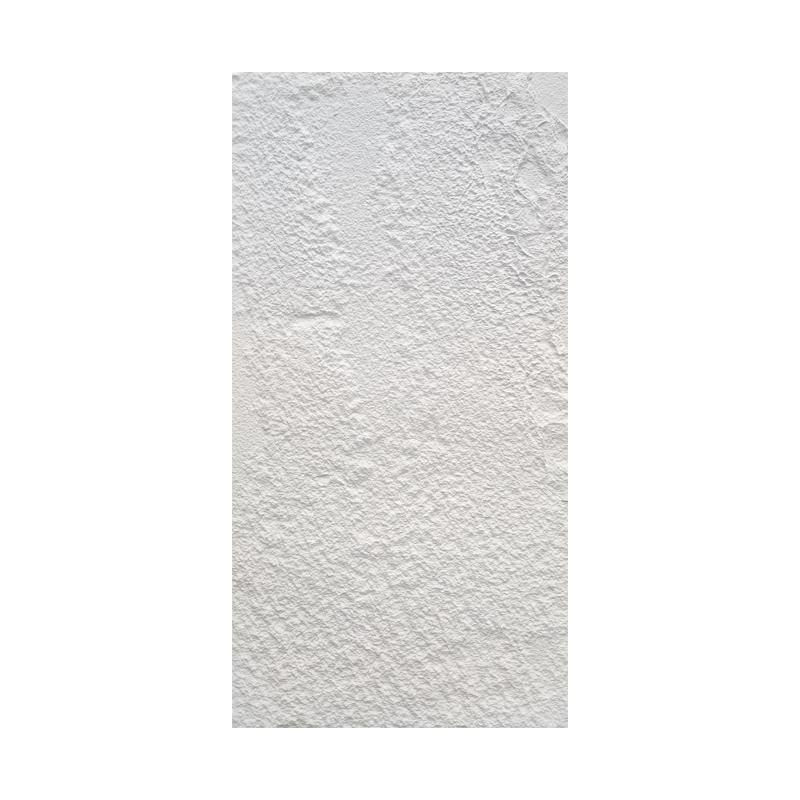
Post time: 2025-04-23 16:40:04
- Previous: What are the advantages of pu stone wall?
- Next:


