
.svg)

Introduction to Corbel Shelf Manufacturing
Corbel shelves blend functionality with aesthetic charm, making them a popular choice in both traditional and contemporary interiors. The manufacturing process of these shelves involves several stages, each critical to ensuring a high-quality final product. This article will delve into the intricacies of producing corbel shelves in a factory setting, providing insight into the time required, processes involved, and factors influencing production efficiency.
Materials Required for Corbel Shelf Production
Wood Selection and Preparation
Choosing the right type of wood is crucial for manufacturing durable and visually appealing corbel shelves. Factories often use materials such as oak, pine, and cedar due to their balance of strength and workability. Using FSC-certified woods is common, ensuring sustainability and quality. Wood moisture levels are meticulously monitored to prevent future warping, with ideal moisture content being between 6% and 8%.
Supporting Materials
In addition to wood, other materials such as screws, primers, and paints are essential. High-quality screws are crucial for structural integrity, while suitable primers and paints provide a lasting finish. Factories also utilize tools such as stud finders, laser levels, and miter saws to ensure precise cuts and assembly.
Initial Design and Planning Phase
Procurement and Inventory Management
The initial phase involves procuring raw materials and managing inventory effectively. Efficient supplier relationships, especially with suppliers from China, can streamline the supply chain and reduce lead times. Wholesale procurement can significantly lower costs, benefiting both the manufacturer and end consumers.
Design Specifications and Prototyping
Designing corbel shelves requires careful planning. Factories utilize CAD software for creating digital prototypes, allowing for thorough analysis of the design’s feasibility and aesthetic appeal. Prototyping aids in identifying potential production challenges, ensuring smoother transitions into mass production.
Preparing the Wood for Corbel Shelves
Cutting and Sizing
Once the design is finalized, the wood is cut into specific sizes, considering the kerf loss during each saw cut. For instance, a typical 4x8 plywood sheet can be divided into four 8-foot shelves with careful planning. Precision in cutting is vital to minimize waste and maintain structural integrity.
Sanding and Smoothing Processes
After cutting, the wood undergoes sanding to achieve a smooth surface, enhancing its paintability and overall finish. Factories utilize both mechanical and manual sanding methods, employing skilled technicians to ensure a consistent texture across all surfaces.
Carving and Shaping Techniques
Machine and Manual Carving
Carving is a pivotal step in manufacturing corbel shelves, with CNC machines handling simpler designs and manual artisans adding intricate details. Factories equipped with advanced CNC technology can produce a high volume of corbels efficiently, while artisans focus on custom or complex designs.
Quality Assurance in Shaping
Ensuring each piece is uniform in shape and size is crucial for consistency. Quality control measures, including regular inspections and sample checks, help maintain high standards and reduce errors during subsequent stages.
Assembling the Corbel Shelves
Alignment and Fastening
The assembly process involves aligning the corbels according to design specifications. Factories use laser levels to ensure precision, attaching the shelve boards to the corbels using predrilled holes and high-quality screws. Double-checking the alignment minimizes structural issues post-installation.
Strength Testing
Post-assembly, samples undergo strength testing to ensure they can withstand intended weight capacities. Testing involves applying incremental weights to assess each shelf’s load-bearing capacity, an essential step for customer safety and satisfaction.
Finishing and Polishing Processes
Painting and Priming
Finishing involves applying a primer, followed by painting with high-quality enamel paints for durability. Factories often use spraying techniques for uniform coverage, with color options tailored to market demand.
Final Polishing and Inspection
After painting, shelves are polished to enhance their visual appeal. A final inspection ensures each piece meets quality standards, with defective products redirected for correction before reaching the market.
Quality Control and Inspection
Quality Assurance Protocols
Quality control is integral to corbel shelf manufacturing. Factories implement rigorous testing protocols, including visual inspections and structural integrity assessments, to ensure each product meets the highest standards.
Resolving Non-Conformities
Identifying and resolving production issues quickly is crucial to maintaining efficiency. Factories typically have dedicated teams to address non-conformities, ensuring prompt corrective actions and minimized production delays.
Packaging and Distribution
Packaging for Protection
Packaging ensures the product is protected during transportation. Factories use padded and secure packaging techniques to safeguard corbel shelves against damage, considering factors like climate and handling conditions.
Distribution Strategies
Efficient distribution is vital for meeting demand. Factories often collaborate with logistics companies to optimize shipping routes, ensuring timely delivery to wholesale and retail markets worldwide.
Conclusion: Timeframe and Efficiency Factors
The production of corbel shelves encompasses various stages, each contributing to the overall timeframe. From wood selection to final packing, the process typically spans several weeks, depending largely on factory capacity and efficiency. Leveraging advanced technology and skilled labor can significantly reduce this timeframe, increasing production capacity and meeting wholesale demands effectively.
Punice Provide Solutions
Punice specializes in optimizing manufacturing processes, offering tailored solutions for corbel shelf production. From enhancing supply chain efficiency with trusted Chinese suppliers to implementing cutting-edge CNC technology, Punice ensures superior quality and reduced lead times. Our comprehensive approach supports factories in navigating production challenges, delivering reliable solutions for increased competitiveness in the global market.
User hot search: decorative corbel shelves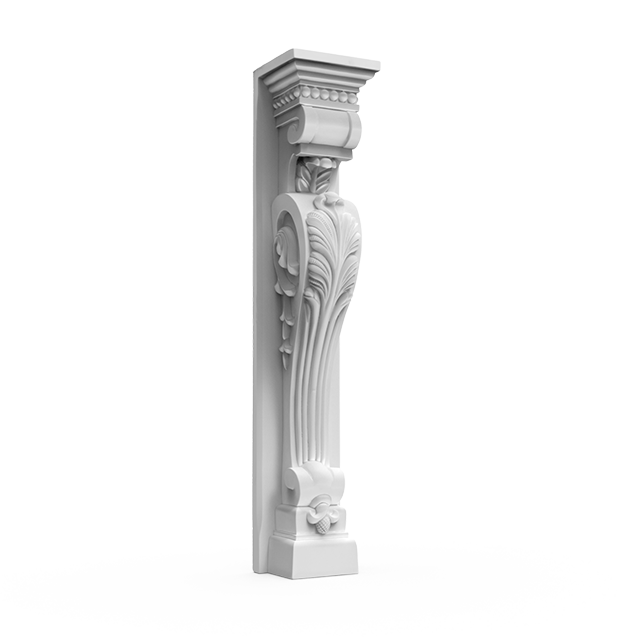
Post time: 2025-08-07 14:07:02


