
.svg)

Introduction to Corbels: Polyurethane and Wood
Corbels serve as both functional and decorative elements in architecture and interior design. While historically made from wood, modern corbels are also crafted from materials like polyurethane to suit various aesthetic and functional needs. Corbels enhance the elegance of structures, offering both support and ornamental value. The comparison between polyurethane and wood corbels involves considerations of aesthetics, durability, installation, cost, and more. This article will delve into these facets to provide a comprehensive understanding.
Understanding Corbels
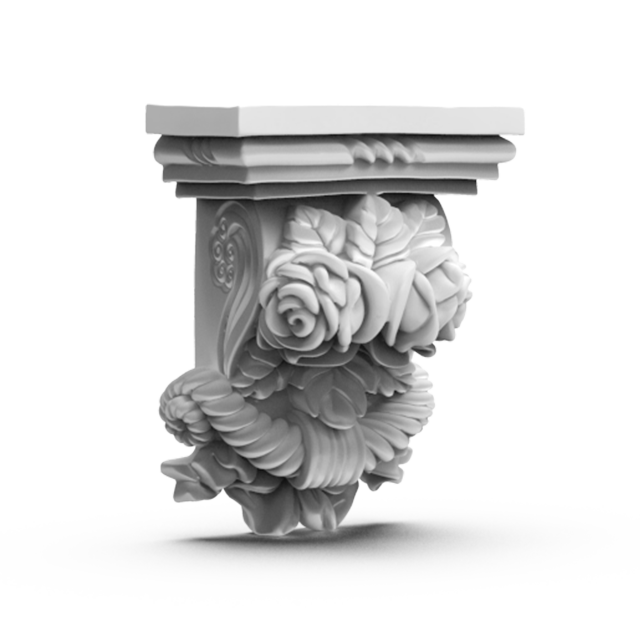
Corbels differ from brackets in their thickness and ornate design, predominantly used as support for overhanging structures such as kitchen countertops, fireplace mantels, and shelf ends. Their decorative nature makes them suitable for framing doorways and as captivating bookends.
Aesthetic Appeal of polyurethane corbels
Polyurethane corbels have gained popularity for their versatile design options and detailed craftsmanship. Unlike wood, polyurethane can be molded into intricate designs, capturing the aesthetics of classical architecture or modern minimalism with ease.
Design Versatility
Polyurethane corbels can replicate the appearance of wood, stone, or plaster, offering extensive customization. OEM manufacturers in China have perfected techniques to create polyurethane corbels that mimic the texture and grain of wood or the polished finish of stone, making them suitable for various design styles.
Durability and Maintenance
When considering the longevity and upkeep of corbels, polyurethane and wood offer distinct advantages. Polyurethane is renowned for its durability and low maintenance requirements.
Robustness and Weather Resistance
Polyurethane corbels are resilient against moisture, rot, and insect infestations, unlike their wood counterparts. This makes them ideal for both indoor and outdoor applications. In contrast, wood corbels, while sturdy, require regular treatment and maintenance to prevent decay.
Installation Techniques
The installation process varies significantly between polyurethane and wood corbels, impacting labor costs and skill requirements.
Ease of Installation
Polyurethane corbels are lightweight and easy to work with, reducing installation time. This material is particularly advantageous for DIY projects. Wood corbels, though heavier, offer a traditional appeal but may require professional installation to ensure stability and correct mounting.
Cost Considerations
Cost-effectiveness is a crucial factor in material selection for builders and renovators. Polyurethane corbels often present a more affordable option.
Pricing Analysis
Polyurethane corbels are generally less expensive than wood corbels. This affordability stems from the ease of mass production and material costs. Many manufacturers, especially OEM producers in China, offer competitive pricing due to economies of scale. Conversely, wood corbels, especially those crafted from high-quality lumber, can be significantly more costly.
Environmental Impact
The sustainability of materials is increasingly important in modern construction and design practices.
Eco-Friendliness
Polyurethane production involves petrochemicals, which can have environmental drawbacks, but advances in recycling processes are improving its eco-friendliness. Meanwhile, responsibly sourced wood corbels can be more sustainable, provided the wood comes from managed forests.
Versatility in Applications
The application scope of corbels can influence material choice in design projects.
Application Range
With their resistance to environmental factors, polyurethane corbels are suitable for varied settings, including humid or wet areas like bathrooms and outdoor patios. Wood corbels, however, are often preferred for their classic, warm appearance in traditional interiors.
Weight and Structural Support
The physical properties of polyurethane and wood impact their functional performance in weight-bearing applications.
Load-Bearing Capacity
Wood corbels traditionally offer superior load-bearing capabilities, making them ideal for supporting heavier structures. In contrast, while lightweight, polyurethane corbels are often used more for decorative purposes than structural support.
DIY Potential
For DIY enthusiasts, the choice between polyurethane and wood corbels affects project complexity and skills required.
DIY Friendliness
Polyurethane's lightweight nature makes it easy to handle and install without specialized tools, appealing to hobbyists and homeowners. Wood, while more challenging to manipulate, allows for custom carving and finishing, appealing to craftspeople seeking a personalized touch.
Conclusion: Choosing the Right Corbel Material
The decision between polyurethane and wood corbels depends significantly on the project’s aesthetic goals, budget constraints, and functional requirements. Polyurethane offers cost-effective, versatile design solutions with low maintenance, ideal for non-structural applications. Wood corbels, providing robust support and a timeless aesthetic, remain unmatched for structural projects despite higher costs and maintenance needs.
Providing Solutions
When selecting corbels, consider consulting with an experienced OEM manufacturer in China to explore customized design options that meet your specific needs. By assessing your project's unique requirements, from aesthetic preferences to structural demands, you can opt for a solution that balances beauty with functionality. Emphasizing collaboration with manufacturers ensures that you procure corbels that perfectly align with your interior or architectural vision, whether embracing the traditional charm of wood or the modern versatility of polyurethane.
Post time: 2025-07-14 12:56:03


