
.svg)

Understanding Panel Moulding Types and Purposes
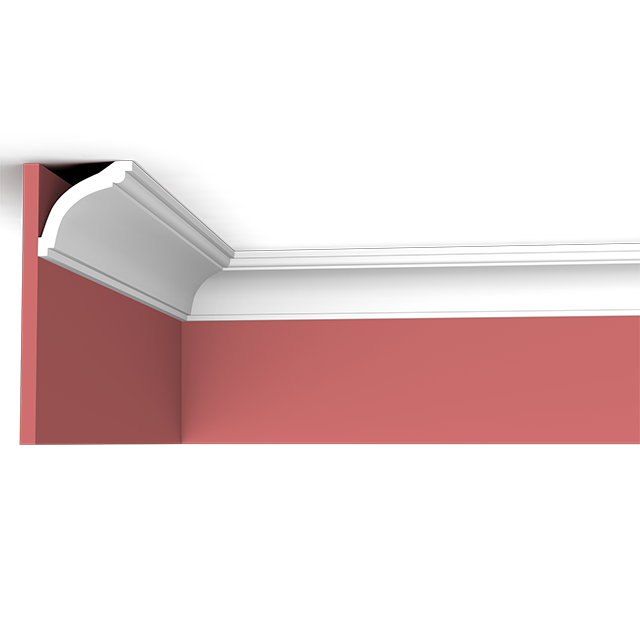
Panel moulding offers both functional and decorative elements to any space. Its primary role extends beyond merely bridging joints; it enhances the aesthetic value of a room. With each type of moulding serving specific purposes, choosing the right one can dramatically alter a room’s appearance. Each variant, whether raised, flat, or beadboard, brings a unique texture and feel to an interior, influencing the room's overall vibe.
Raised Panels for Traditional Elegance
Raised panels protrude from the wall, offering a classic and sophisticated look. Typically found in dining rooms and formal spaces, they are a popular choice in homes with a traditional aesthetic. These panels create a sense of grandeur through intricate designs and a detailed appearance.
Flat Panels for Modern Minimalism
For homes with a contemporary design, flat panel mouldings are ideal. These panels sit flush with the wall, providing clean lines and a polished look. They fit perfectly in minimalist interiors, where simplicity and sleek design are the primary focus.
Beadboard for a Casual Touch
Beadboard moulding is characterized by vertical grooves, evoking a cottage or farmhouse feel. This style is favored in kitchens, bathrooms, and casual living areas due to its charm and approachable aesthetic. It's also a favored option for DIY enthusiasts due to its ease of installation.
Matching Moulding to Your Home's Architecture
The architectural style of your home serves as a guide in selecting the appropriate moulding. A home with historical roots might benefit from detailed, more elaborate mouldings, whereas a modern structure requires simpler, more streamlined designs.
Traditional Homes
For homes that boast a historical or classical design, incorporating intricate mouldings like dentil or fluted patterns aligns with their character. Larger mouldings tend to complement the proportions of rooms with high ceilings and expansive spaces.
Modern Residences
A modern home with open spaces and clean lines should opt for mouldings that reflect this aesthetic. Narrower, minimalist mouldings are typically appropriate, as they enhance the room's existing architecture without overwhelming it.
Considering Ceiling Height and Room Dimensions
The dimensions of a room significantly impact the type of moulding that will be suitable. Ceiling height, in particular, dictates the scale of the moulding to ensure a balanced look.
High Ceilings
Rooms with high ceilings can accommodate larger, more detailed mouldings without looking overcrowded. These mouldings help balance the vertical space and add a touch of elegance and grandeur.
Standard and Low Ceilings
In rooms with standard or lower ceilings, opting for slimmer mouldings is crucial. This choice helps to avoid a cramped appearance while still providing the room with a touch of sophistication.
Importance of Room Functionality
Understanding the purpose of the room is essential in selecting the appropriate moulding. Each room in your home serves a different function, and the moulding should reflect this.
Formal Spaces
In areas like dining rooms and offices where formality is key, more ornate mouldings can enhance the room’s elegance. Raised panels or wainscoting can add a layer of sophistication suitable for these spaces.
Casual Areas
For more relaxed environments such as family rooms or play areas, simpler mouldings like flat or beadboard can create a comfortable and inviting atmosphere. These styles are practical and align with the room’s casual function.
Selecting the Right Material for Moulding
Material selection is crucial, as it affects both the durability and aesthetic of the moulding. The key is to find a balance that maintains the integrity of the design while considering practicality and budget.
Wood
Wood is a traditional choice, offering a warm, natural look that can be stained or painted. However, wood requires regular maintenance to prevent wear and tear, especially in areas with high humidity.
Polyurethane
For a more durable option, polyurethane mouldings are ideal. They resist moisture and insects, making them suitable for bathrooms and kitchens. Additionally, they are lightweight and easy to install.
Maintenance and Care of Moulding
Maintaining the aesthetic appeal of moulding requires routine care and attention. Regular cleaning and occasional repairs ensure mouldings remain a focal point in the room.
Cleaning Techniques
For wood and MDF mouldings, dusting with a dry cloth and avoiding excessive moisture is key. Polyurethane mouldings benefit from simple cleaning using water and mild detergent.
Repair and Upkeep
Regular inspection for chips or paint wear is necessary. Touch-ups help maintain the integrity of the moulding and protect it from environmental elements.
Blending Moulding with Room's Color Scheme
A well-thought-out color scheme complements the moulding and the room’s overall design. Matching or contrasting the moulding to the wall colors can dramatically influence the space’s aesthetic.
Matching Colors
Matching the moulding color to the wall creates a uniform look that is calm and cohesive. It works well in minimalist and modern settings.
Contrasting Colors
Using contrasting colors highlights the moulding, adding depth and character to the room. This approach benefits spaces where the moulding design is a focal point.
Enhancing Spaces with Accent and Picture Rail Moulding
Accent and picture rail mouldings offer unique design opportunities. They create visual interest and can transform the aesthetics of a room without significant renovation.
Accent Moulding
Often used to create feature walls, accent moulding adds texture and dimension. Cream-colored moulding on a mocha-colored wall can create a striking effect.
Picture Rail Moulding
This type runs around the room at window height, offering a decorative element that can also be functional by hanging artwork without damaging walls.
Installation Techniques and Considerations
Proper installation methods ensure the durability and appearance of mouldings. Following the manufacturer's guidelines and using the right tools are essential steps.
Tools Required
- Measuring tape and level
- Saw for cutting moulding to size
- Nail gun and adhesive for secure application
Installation Tips
Accurate measurements are critical to avoid gaps or misalignment. It’s important to start from the corners and work towards the center for even coverage.
Finalizing Your Moulding Choice
The decision should incorporate style, practicality, and personal preference. A balanced choice will elevate the room's design while remaining functional and enduring over time.
Punice Provide Solutions
Navigating the selection of the right moulding requires understanding the interactions between design, functionality, and practicality. Begin by assessing your space to determine the style and size that fit harmoniously with the existing decor. Consider Wholesale options from China for cost-effective solutions that do not compromise on quality. Factories often provide customizable designs to suit your specific needs, ensuring that the moulding complements your project's overall aesthetic. By leveraging these resources, you can achieve a high-quality finish that enhances your home's appeal.
Post time: 2025-08-27 09:54:05


